

 EN
EN
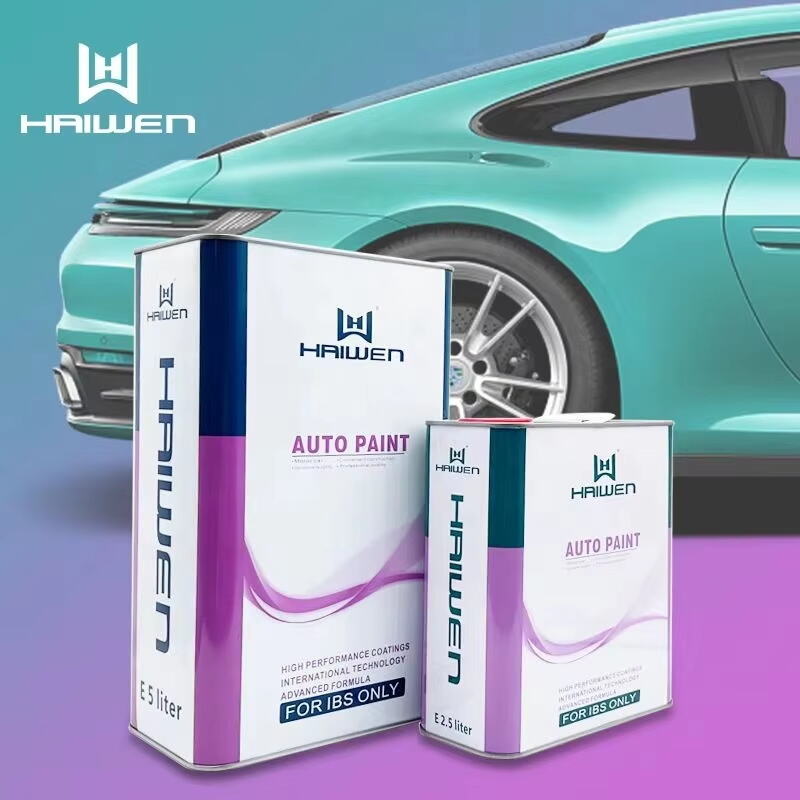
Преосмисляне на автомобилното довършване с модерни покрития
В автомобилната индустрия, acrylic paint има ключова роля за постигане на гладки повърхности, издръжлива защита и професионални резултати. За разлика от стандартните покрития, акрилната боя за автомобили е формулирана да издържа на изискващи условия, като осигурява ярки цветове и дълготрайно лъскавина. За кузовни работилници, търговци и крайни потребители изборът на висококачествена акрилна боя не е само въпрос на външен вид, но и на производителност, ефективност и стойност. Затова тя се превърна в едно от най-надеждните решения в съвременното довършване.
Експлоатационни предимства на акрилната боя
Издръжливост в сурови среди
Автомобилите ежедневно са изложени на атмосферни условия като UV лъчи, влажност и променливи температури. Акрилната боя осигурява издръжливост чрез устойчивост към избледняване и пукане, като запазва безупречен външен вид дори след години на излагане. Нейната химическа структура гарантира силна адхезия към повърхностите, осигурявайки защита срещу отлепване и корозия.
Надеждна устойчивост към химикали и абразия
Пътни соли, почистващи средства и химически замърсители лесно могат да повредят покрития от ниско качество. Акрилната боя осигурява защитен барие, който устои на тези фактори, като едновременно намалява риска от драскотини. Това я прави практична избор за превозни средства, които подлежат на постоянно износване, осигурявайки привлекателен и функционален финален вид.
Естетическа стойност на акрилната боя
Дълбок глянец и запазване на цвета
Клиентите очакват колите им да изглеждат толкова перфектно, колкото и при напускане на сервиза. Акрилната боя осигурява дълготраен глянец и яркост на цвета, гарантирайки, че превозните средства запазват своята естетическа привлекателност. Използването на напреднали пигменти и смоли помага за запазване на блясъка дори при трудни условия.
Многостранност при персонализацията
Един от предимствата на акрилните бои е тяхната приспособимост. Независимо дали става въпрос за плътни цветове, метални повърхности или персонализирани ефекти, акрилните бои предлагат гъвкавост, която позволява на сервизите да отговарят на различни клиентски изисквания. Тази универсалност ги превръща в предпочитан избор както за стандартно прецветяване, така и за креативни дизайнерски проекти.
Практически предимства за сервизи
Лесно приложение
Акрилната боя се разпределя равномерно върху автомобилни повърхности, което опростява процеса на нанасяне. Професионалните бояджии печелят от гладко покритие, по-малко дефекти и по-малко необходимост от поправки. Бързото ѝ изсъхване също ускорява работния поток, което е от решаващо значение за натоварени ремонтни сервизи.
Съвместимост с автомобилни системи
Акрилната боя добре работи с праймери, клиркойтове, овърждаващи агенти и други материали за прецветяване. Тази съвместимост гарантира, че сервизите могат лесно да я интегрират в своите системи, намалявайки усложненията и подобрявайки ефективността. Освен това помага за запазване на последователност при ремонти и пълни прецветявания.
Разходи и стойности
Дългосрочни спестявания
Въпреки че първоначалната цена на акрилните бои може да е по-висока в сравнение с някои алтернативи, тяхната издръжливост намалява нуждата от често пребоядисване. Това води до икономия на дълга срока както за сервизите, така и за собствениците на превозни средства. Инвестицията се окупява чрез намаляване на разходите за поддръжка и удължаване на живота на боята.
Добавена стойност на превозното средство
Превозните средства, завършени с акрилни бои, запазват по-добре своята стойност поради дълготрайния си външен вид и защита. За собствениците това означава по-високи възможности за препродажба, а за сервизите – изграждане на доверие и лоялност у клиентите. Връзката между качествените покрития и стойността на превозното средство не може да бъде пренебрегната.
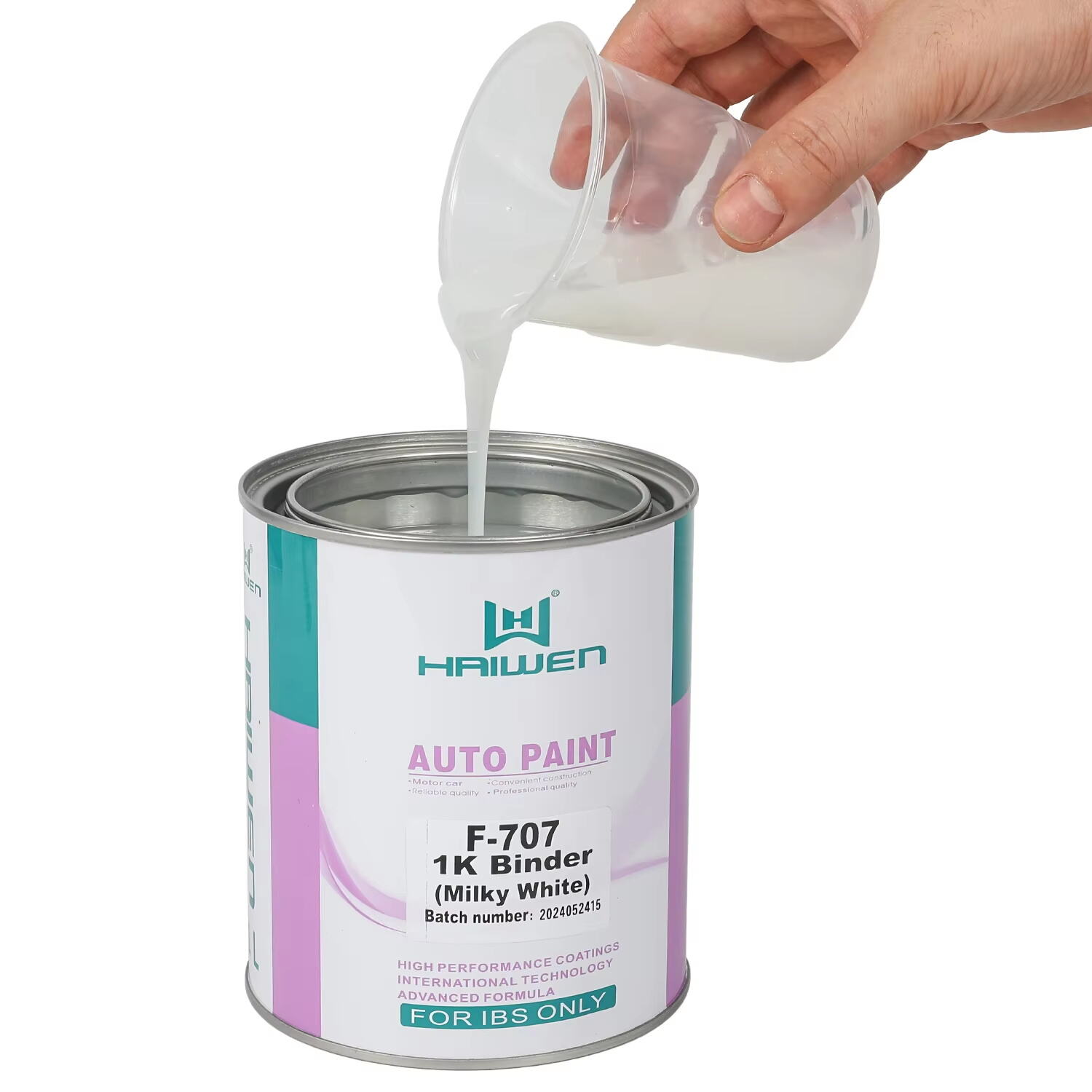
Подпомагане на професионалното пребоядисване
Спазване на изискванията на индустрията
Профессионалните работилници изискват покрития, които осигуряват последователни резултати и отговарят на стандартите в индустрията. Акрилната боя осигурява тази надеждност, като гарантира, че техниците могат уверено да произвеждат работа, която удовлетворява клиентите и издържа на проверки. Доказаното ѝ представяне я е превърнало в стандарт в автомобилния сектор.
Гъвкавост за малки и големи проекти
От поправяне на драскотини до пълно пресаждане, акрилната боя може да се справи с различни мащаби на работа. Способността ѝ да се смесва добре със съществуващите повърхности я прави идеална за докосвания, докато устойчивостта ѝ гарантира отлична производителност и при пълни приложения. Тази гъвкавост я прави практично решение във всички случаи.
Приносът на компанията към висококачествена акрилна боя
Като водещ доставчик на продукти за автомобилно боядисване в Китай, нашата компания се специализира в изследванията, производството и продажбата на висококачествени покрития от повече от десетилетие. Нашата гама включва 2К акрилни бои, праймъри, прозрачни лакове, разредители и свързани материали за довършителна обработка. С фокус върху акрилните бои, ние предлагаме надеждни решения, които подпомагат работилници, дистрибутори и бизнес партньори по целия свят. Като следваме принципа на стабилност и иновации, осигуряваме всеки продукт да допринася за подобряване качеството на довършителната обработка и удовлетвореността на клиентите.
Често задавани въпроси
Какво прави акрилната боя подходяща за автомобилно боядисване
Акрилната боя е формулирана с издръжливи смоли и пигменти, които осигуряват дълготрайно запазване на цвета, отлична адхезия и устойчивост към сурови околните фактори. Това я прави отличен избор както за малки поправки, така и за пълно боядисване на превозни средства.
Как се сравнява акрилната боя с други автомобилни покрития
В сравнение с основните покрития, акрилната боя осигурява по-добър блясък, подобрена издръжливост и по-силна защита срещу атмосферни и химически въздействия. Тя осигурява професионално финиширане, което надминава много по-евтини алтернативи.
Може ли акрилната боя да се използва за персонализирани дизайни върху превозни средства
Да, акрилната боя е изключително гъвкава и може да се нанася за създаване на различни видове финиширане, включително метални, матови и персонализирани ефекти. Тази гъвкавост позволява на работилниците да отговарят на уникални клиентски изисквания, без да компрометират издръжливостта.
Защо дистрибуторите трябва да изберат проверен доставчик на акрилна боя
Сътрудничеството с проверен доставчик гарантира постоянство в качеството, техническа подкрепа и пълен асортимент продукти. Надеждни доставки също помагат на дистрибуторите да поддържат силни взаимоотношения с клиентите и да разширяват бизнеса си.
Съдържание
- Преосмисляне на автомобилното довършване с модерни покрития
- Експлоатационни предимства на акрилната боя
- Естетическа стойност на акрилната боя
- Практически предимства за сервизи
- Разходи и стойности
- Подпомагане на професионалното пребоядисване
- Приносът на компанията към висококачествена акрилна боя
- Често задавани въпроси
