Complete Guide to Putty Application: Techniques, Tools, and Professional Tips

All Categories

Get a Free Quote

Our representative will contact you soon.
Email
Name
Company Name
Message
0/1000

putty how to use

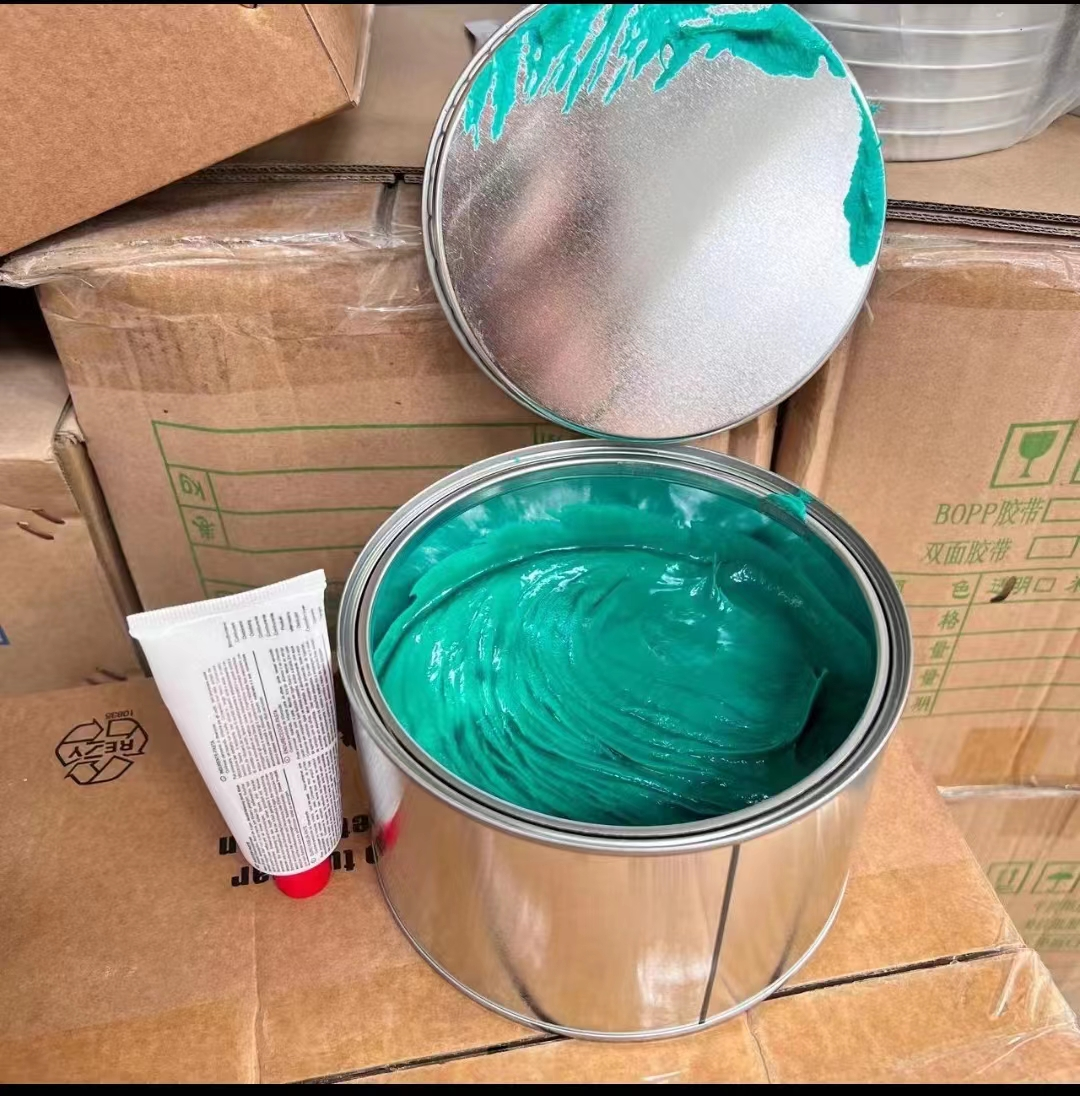
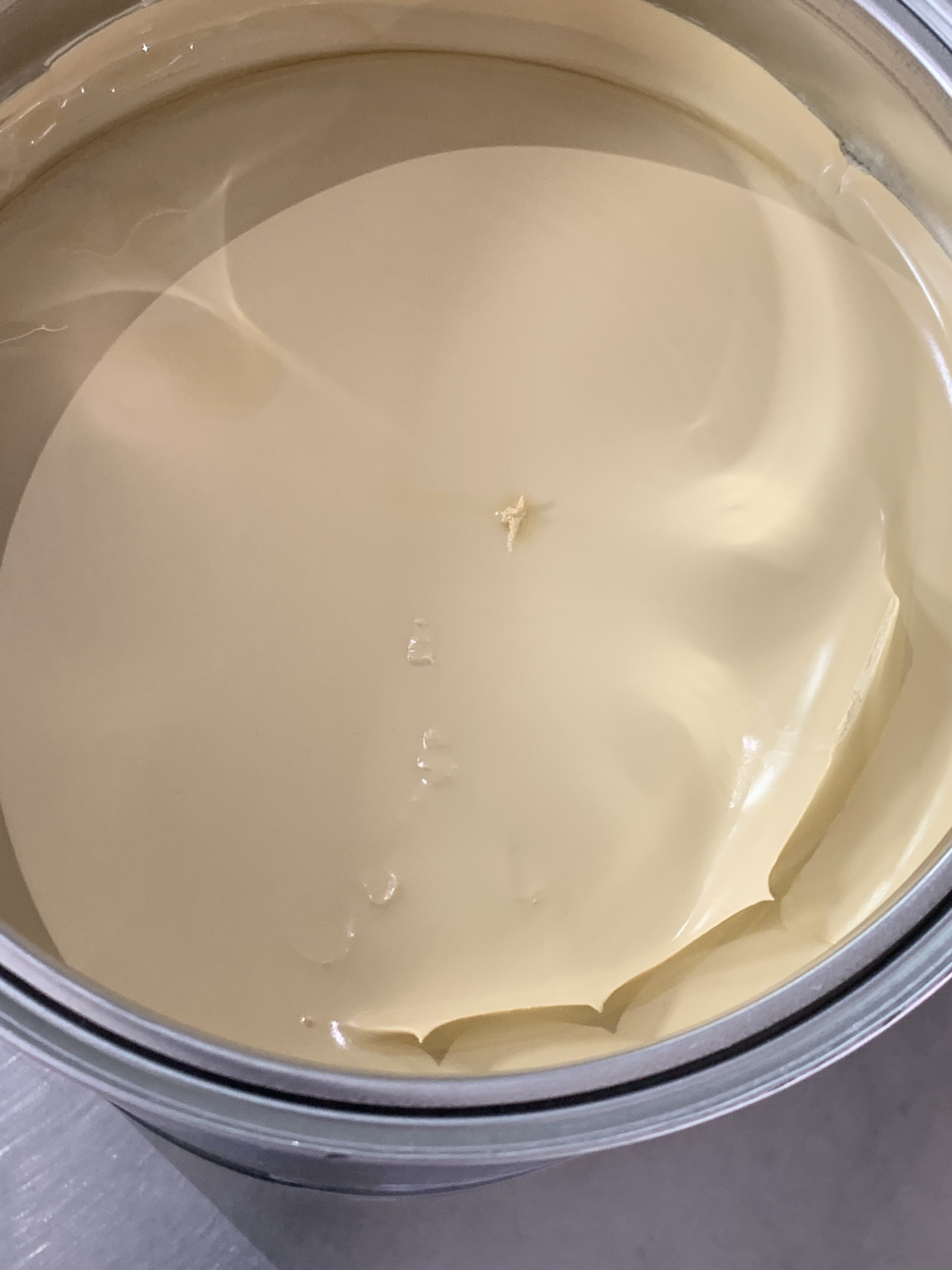
Putty is a versatile material that requires proper understanding for effective application. To use putty correctly, start by ensuring the surface is clean, dry, and free from debris. For wood surfaces, sand the area lightly and remove dust before application. Mix the putty thoroughly if it's a two-component system, or knead single-component putty until it reaches a uniform consistency. Using a putty knife, apply the material in thin layers, pressing firmly to fill gaps, holes, or cracks. For deeper imperfections, apply multiple layers, allowing each to dry completely. When working with epoxy putty, cut equal amounts of both components and mix thoroughly until achieving a uniform color. Apply within the working time specified on the package. For wall applications, use broad, sweeping strokes to create a smooth surface, feathering the edges to blend with surrounding areas. After application, allow the putty to cure completely according to manufacturer specifications. Once dried, sand the area smooth using progressively finer grits of sandpaper for a professional finish. Different types of putty may require specific techniques, so always consult the product instructions for optimal results.

New Product Recommendations

Using putty effectively offers numerous advantages for both professional contractors and DIY enthusiasts. First, it provides excellent adhesion to various surfaces, including wood, metal, concrete, and plastic, making it a versatile solution for multiple repair scenarios. The material's moldable nature allows for precise filling of irregular shapes and contours, ensuring seamless repairs that blend with surrounding surfaces. Modern putty formulations offer improved working times, allowing users to adjust and perfect their application before the material sets. The durability of properly applied putty ensures long-lasting repairs that can withstand environmental stress and regular wear. Many types are now water-resistant and can be painted over once cured, providing flexibility in finishing options. The ability to sand and shape putty after it hardens enables users to achieve professional-quality results. Cost-effectiveness is another significant advantage, as small amounts can effectively repair larger areas, reducing material waste. The application process requires minimal tools and expertise, making it accessible to users of all skill levels. Additionally, many modern putties are low-VOC and environmentally friendly, addressing health and sustainability concerns. The variety of available formulations means users can select products specifically designed for their intended application, ensuring optimal performance and longevity of repairs.

Tips And Tricks

Acrylic Paint: Enhancing Creativity and Expression

27

May

Acrylic Paint: Enhancing Creativity and Expression

View More
Acrylic Paint: The Role in Smart Artistic Solutions

25

Jun

Acrylic Paint: The Role in Smart Artistic Solutions

View More
How to Achieve Perfect Color Matching in Car Paint Blending

25

Jul

How to Achieve Perfect Color Matching in Car Paint Blending

View More
Your Reliable Automotive Paint Partner in China: Clear Coat, Hardener, and Thinner Manufacturer

28

Aug

Your Reliable Automotive Paint Partner in China: Clear Coat, Hardener, and Thinner Manufacturer

View More

Get a Free Quote

Our representative will contact you soon.
Email
Name
Company Name
Message
0/1000

putty how to use

Versatile Application Techniques

Versatile Application Techniques

Mastering putty application techniques opens up a world of possibilities for surface repair and restoration. The key to successful application lies in proper preparation and execution. Begin by choosing the right putty type for your specific project, considering factors such as surface material, environmental conditions, and required durability. Professional-grade results can be achieved by applying putty in thin, manageable layers rather than attempting to fill deep voids in a single application. This layered approach prevents shrinkage and cracking while ensuring thorough curing. Advanced techniques include using different spreading tools for various surface sizes, implementing cross-pattern application for better adhesion, and utilizing specialized finishing methods for specific textures. Understanding working time limitations and environmental factors that affect curing is crucial for optimal results.
Surface Preparation and Compatibility

Surface Preparation and Compatibility

Proper surface preparation is fundamental to achieving lasting results with putty applications. The process begins with thorough cleaning to remove dirt, grease, and loose particles that could compromise adhesion. For wooden surfaces, identifying grain direction and moisture content helps determine the appropriate preparation method. Metal surfaces require degreasing and sometimes primer application for optimal putty adhesion. Understanding surface porosity and texture helps in selecting the appropriate putty type and application technique. Environmental conditions, including temperature and humidity, significantly impact both preparation requirements and putty performance. Proper assessment of surface damage extent ensures the selection of appropriate repair methods and materials.
Tools and Safety Considerations

Tools and Safety Considerations

Successful putty application relies heavily on using the right tools and maintaining proper safety protocols. Essential tools include various sizes of putty knives, scrapers, and mixing implements, each serving specific purposes in the application process. Safety considerations encompass proper ventilation during application, use of appropriate personal protective equipment such as gloves and dust masks, and proper storage of materials. Understanding tool maintenance and cleaning procedures extends their lifespan and ensures consistent application quality. Proper tool selection based on project requirements improves efficiency and results. Knowledge of safety data sheets and proper disposal methods for excess materials and containers is essential for environmental and personal safety.
Complete Guide to Putty Application: Techniques, Tools, and Professional Tips